
Data Center Cooling | AI | HPC
high-density computing.
every connection matters.
Tube fittings and valves are part of the fluid path that keeps liquid cooling moving. Bring Tylok into your next conversation about cooling connections, isolation and maintainability.
Connect.
Tube fittings selection and installation
isolate.
Quarter-turn shutoff
maintain.
Access, service and documentation
The engineering Challenge
Cooling Performance depends on the complete fluid
Direct liquid cooling brings coolant close to computing hardware. Connections, valves, fluid chemistry and commissioning must work together. Open Compute Project guidance addresses these requirements from cold plates to coolant distribution units (CDUs). Explore the OCP guidance.
-
Match the fitting to the tubing and service conditions. Use the prescribed assembly procedure, then verify the completed system against the project’s leak-test acceptance criteria.
-
Connection size alone does not establish flow capacity. Evaluate bore, valve flow coefficient (Cv), coolant properties and the pressure-drop budget at the required operating flow.
-
Review wetted metals, seats and seals against the specified coolant. Define isolation points and maintenance access before equipment is installed.
Tylok in the Field
Hyperscale experience.
Practical installation support.
Tylok’s documented hyperscale project experience includes supplying two-ferrule tube fittings, instrumentation valves and supporting tubing components for cooling-related applications.
The project account identifies product availability, distributor coordination, technical support and installation training as contributors to the supply win. Training addressed fitting fit, form and finish, along with ferrule-setting operation.
This experience connects product supply with the field work needed to assemble and commission fluid systems.
Fluid connections
Tube fittings and supporting components for closed-loop cooling and instrumentation integration.
Field readiness
Installation training for pipefitters and instrumentation technicians.
Application review
Product selection tied to actual system requirements.
The product conversation
Connections and isolation for your application.
Tylok’s data center market sales experience includes 1/2-inch tube fittings, 40 Series ball valves, General Purpose ball valves and 3-piece ball valves. Select each configuration against the cooling OEM’s requirements.
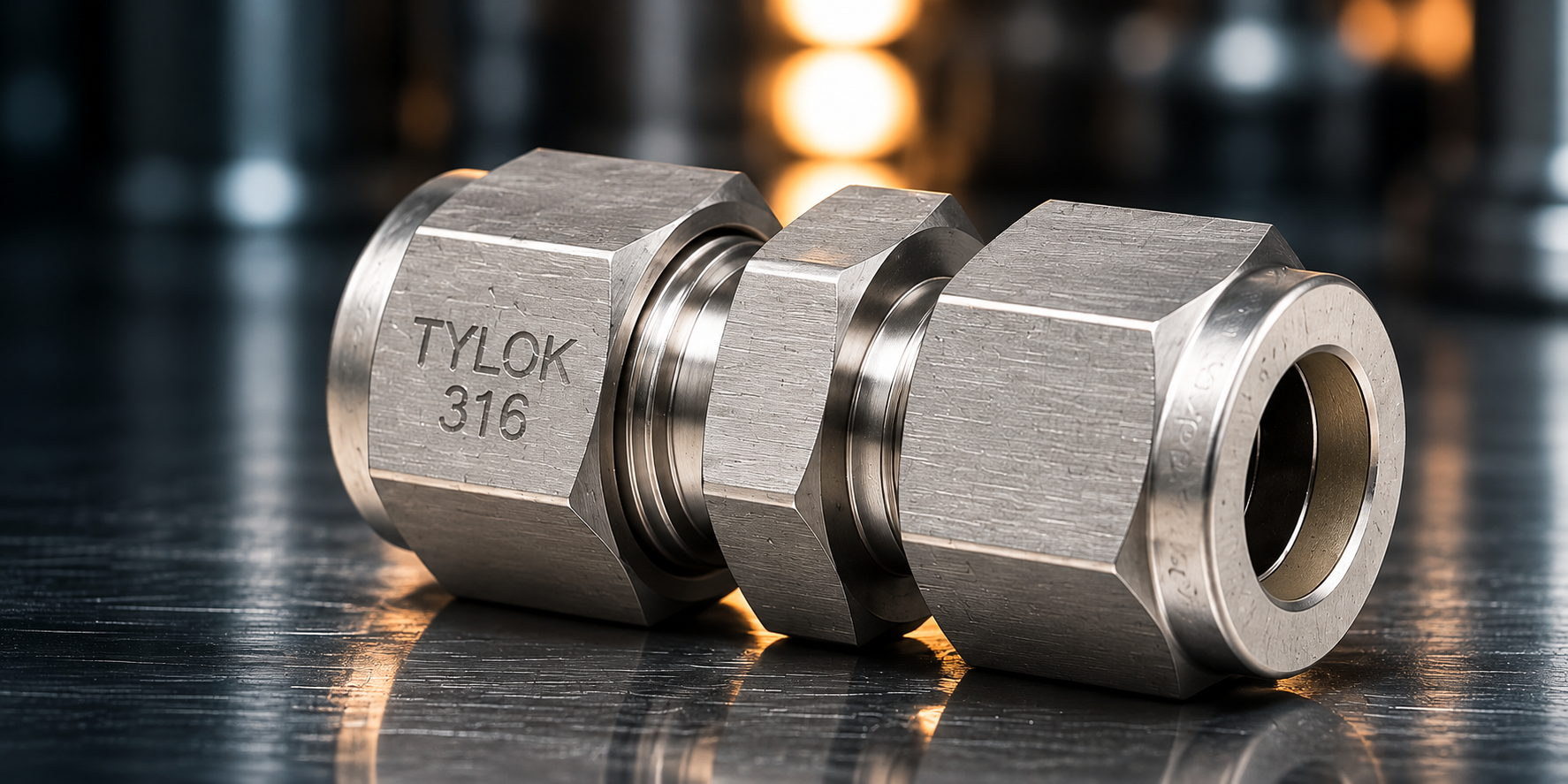
Tube connections
1/2-inch tube fittings
Evaluate tube connections for the specified tubing material, outside diameter, wall thickness and service conditions. Tylok offers CBC-Lok and CS-Lok fitting families; confirm the family used in the application.
Selection focus:
Tubing specification, fitting configuration, installation procedure and system test requirements.
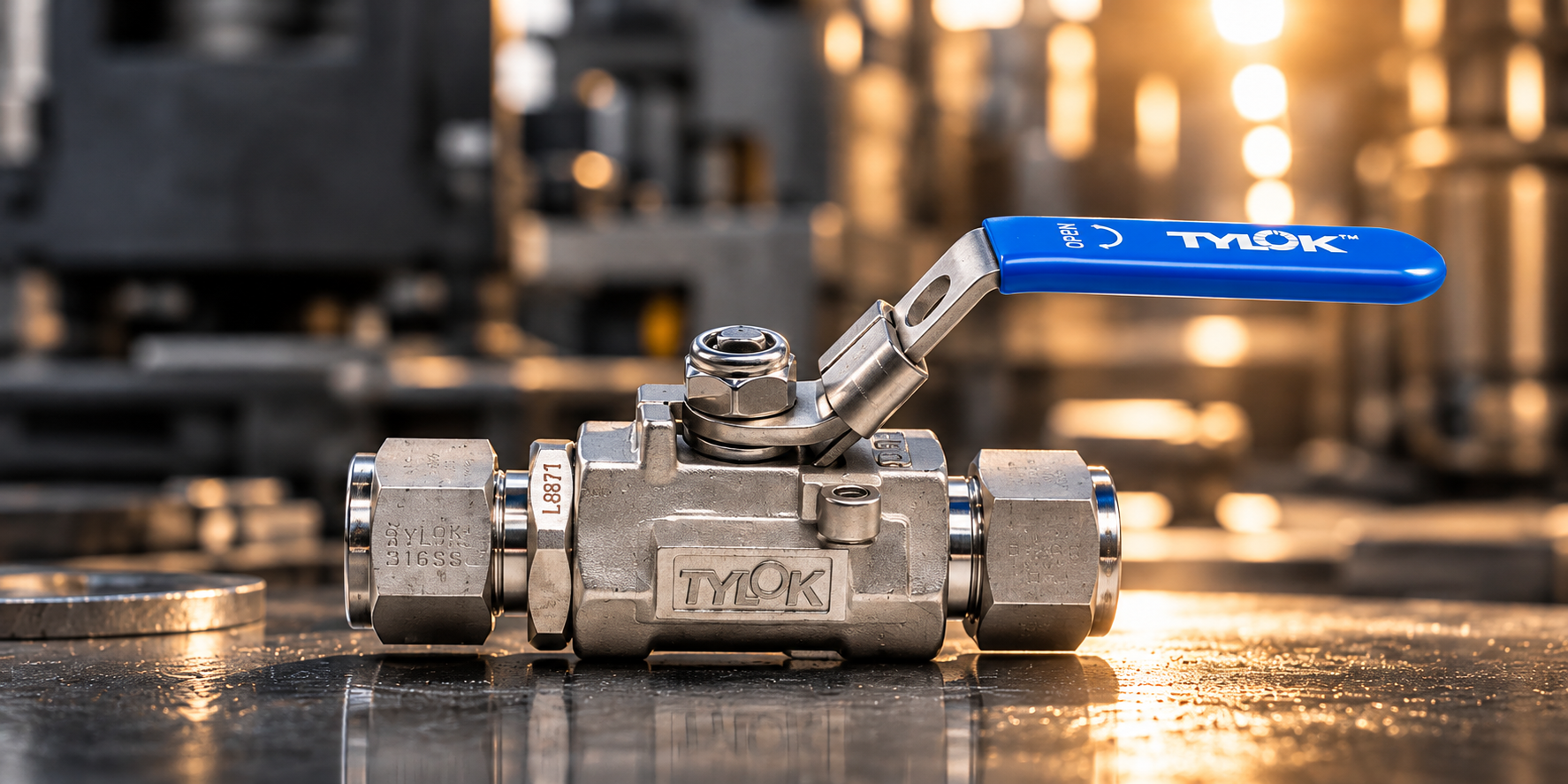
Quarter-turn shutoff
General Purpose ball valves
The GP Series provides quarter-turn isolation for instrumentation tubing and piping. Published features include bidirectional flow and a range of tube-end configurations.
Selection focus: isolation duty, flow capacity, coolant compatibility and accessible handle operation.
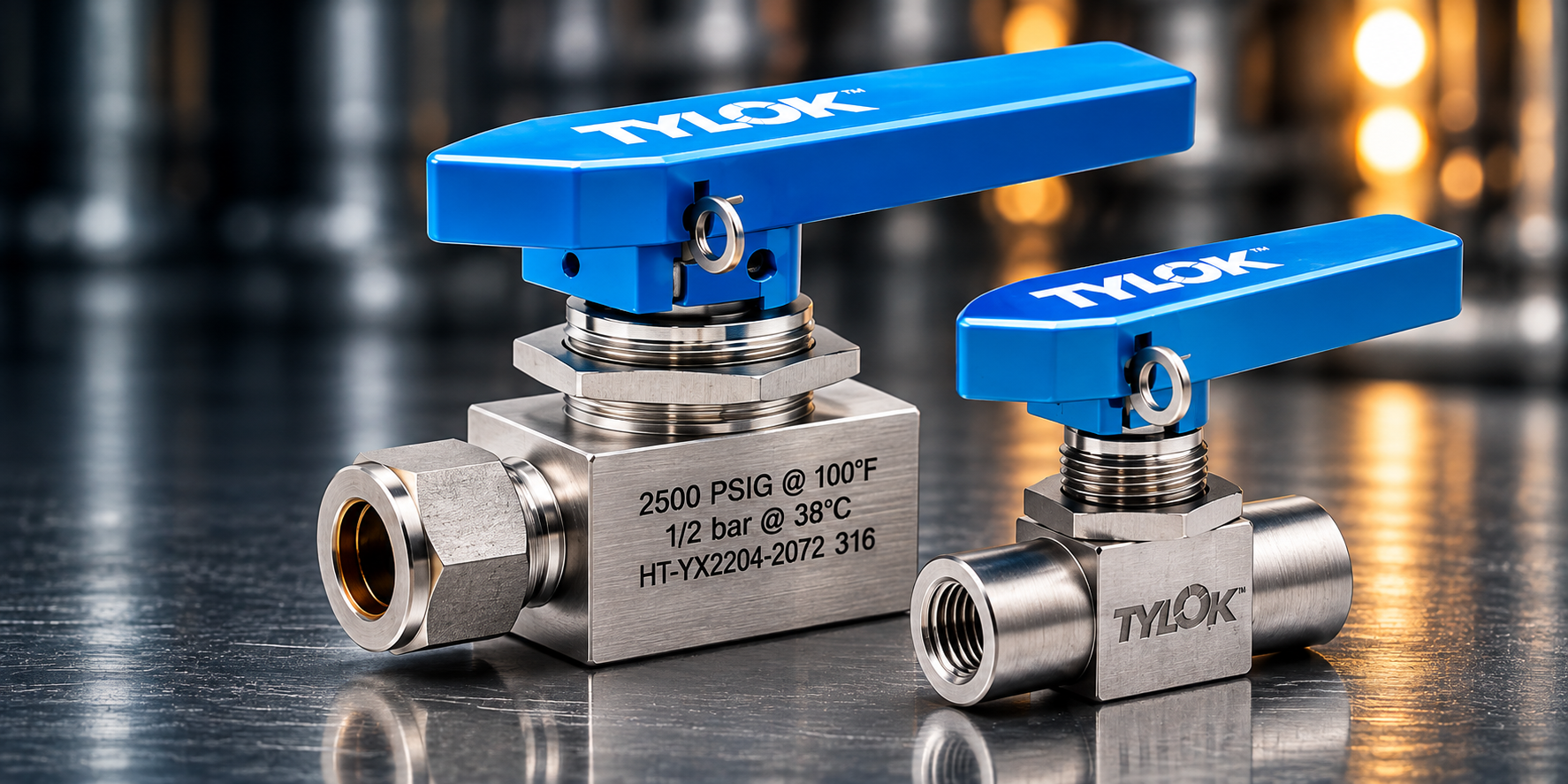
Packing & isolation
40 Series ball valves
Stainless steel construction and live-loaded packing address packing adjustment and thermal-cycle performance. The published design also features low internal dead space.
Selection focus: required Cv, end connections, pressure-temperature limits, and seat and seal compatibility.
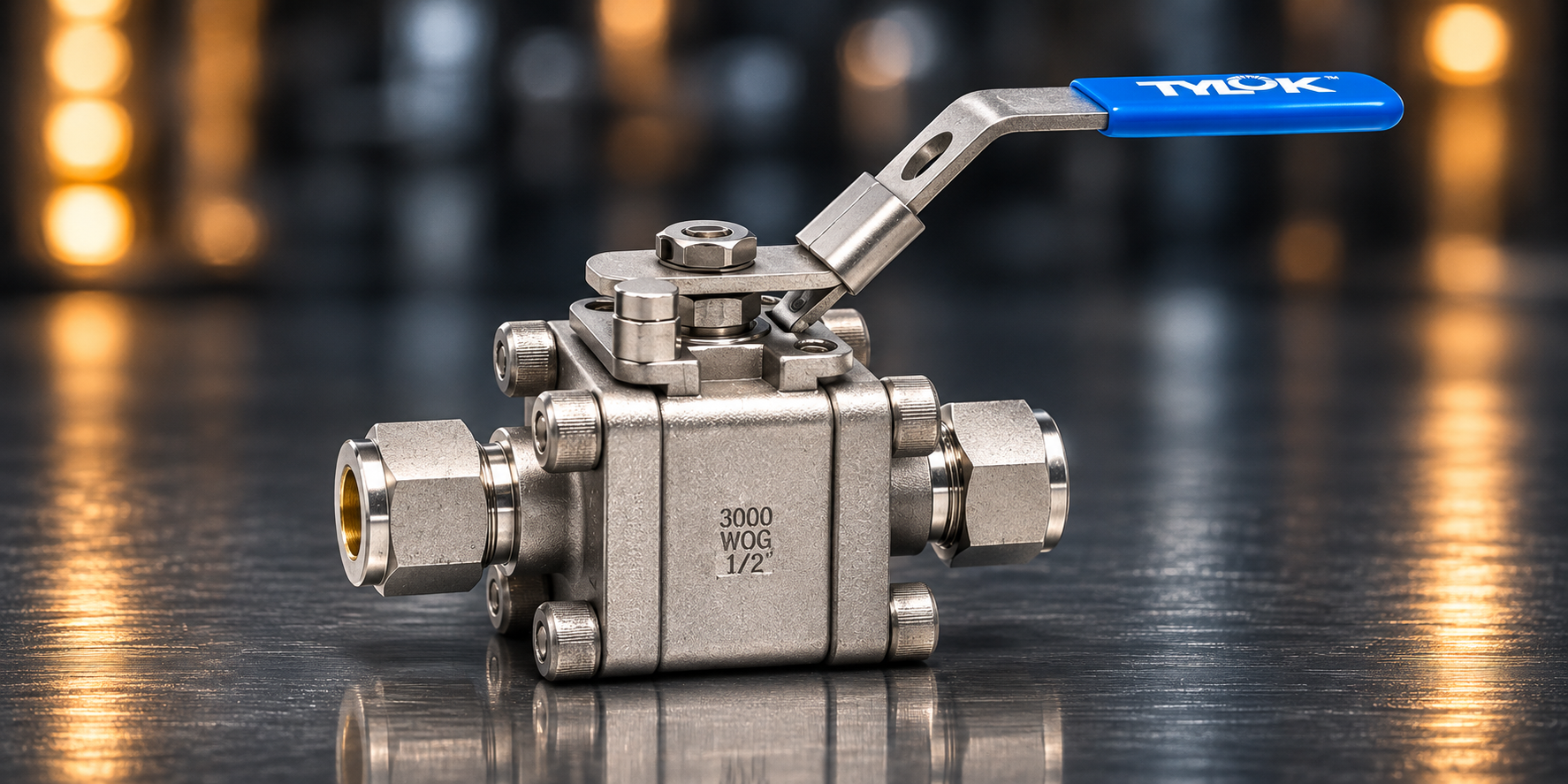
Serviceable construction
3-piece ball valves
A three-piece maintenance design makes serviceability part of the product discussion. Tylok lists stainless steel construction, locking handles and actuator-mounting provisions.
Selection focus: service clearance, connection type, valve series and application-specific seat and seal materials.
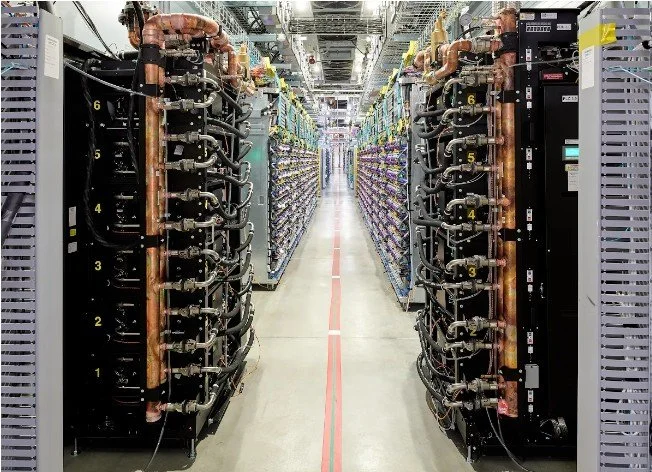
From the system to the connection
Start with the fluid.
Follow the requirements.
A facility cooling loop, a CDU and a rack circuit can have different pressures, fluids and connection requirements. Define the circuit and duty before selecting a fitting or valve.
Bring Tylok your coolant specification, operating envelope and connection details. Discuss the documentation, installation support and product configuration your project needs.
engineering essentials
bring these details to the discussion.
-
Identify the fluid, concentration, additives and water-quality limits. Check all wetted materials, including valve seats and seals. Deionized water is not a blanket compatibility specification.
-
Provide design and operating flow, pressure, temperature range, transients and allowable pressure drop. Review the actual valve Cv and tubing bore. Tube outside diameter and nominal pipe size are different dimensions.
-
Provide connection types, tubing dimensions, space constraints, leak-test procedure and acceptance limits. Define isolation and service access, along with the project’s leak detection and intervention strategy.
-
Share drawings, specifications, quantities and required dates. Request applicable product data, material documentation and current availability for the selected parts.
Meet Tylok at SC26
Let’s talk about your cooling connections.
Connect with Scott Hahl, John Mishler and B.J. Jackson at McCormick Place in Chicago, Illinois
Designing an OEM cooling system, specifying a fluid circuit or planning procurement? Share your application requirements with our team.